What Is Sound Healing? A Beginner’s Guide
Sound healing is one of humanity’s oldest healing practices. It’s simultaneously one of the most relevant for modern life. From ancient chanting traditions to today’s sound baths and frequency-based therapies, sound has been used for generations to support balance, relaxation, and wellbeing. If you’re new to sound healing, this blog is an introduction to what it is, how it works, and why so many people are turning to it now.
The Basics: What Is Sound Healing?
Sound healing is the intentional use of sound and vibration to support physical, emotional, and energetic health and harmony. Everything in existence has its own unique vibration; that includes the human body. Our organs, tissues, thoughts, and words operate at specific frequencies. When our vibration and frequency are impacted by stress, dis-ease and illness tend to enter the picture. Our natural rhythms become disrupted.
Sound healing works by introducing steady vibrations that support the body and nervous system to return to a more balanced state. Rather than forcing change, sound healing invites the body to remember its innate ability to regulate and heal itself.
How Sound Affects the Body and Mind
Modern science is beginning to confirm that which the ancients have already known: sound directly influences the nervous system. Certain tones and frequencies can slow brain waves, calm the stress response, and activate the parasympathetic “rest and digest” state.
When you listen to sustained, harmonious sounds such as chanting or singing bowls, your body begins to synchronize with those frequencies. This process- called entrainment- allows the mind to quiet and the body to effortlessly release tension. Many people report feeling deeply relaxed, emotionally regulated and/or mentally clear after a sound healing experience. Others might notice sensations such as warmth, tingling, emotional release, or a sense of spaciousness. Some people drift into a dreamlike state; others feel present and grounded. There is no one “right” way to experience sound.
Common Sound Healing Tools
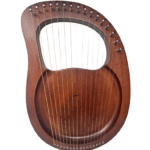
Sound healing can take many forms. Some of the most commonly used tools for sound healing include:
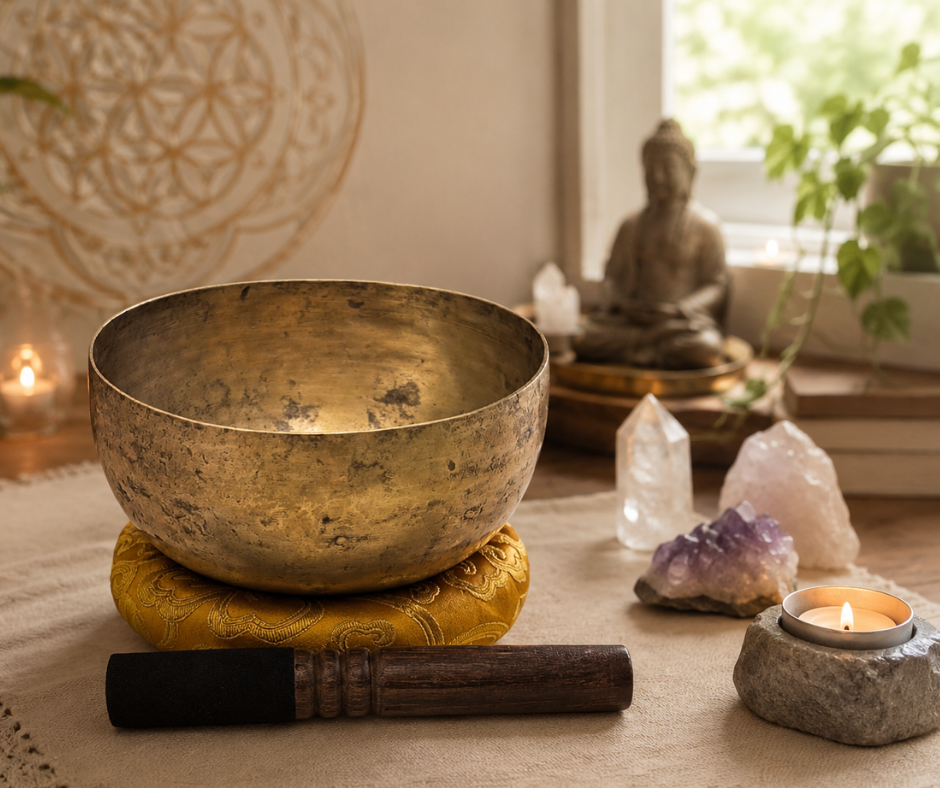
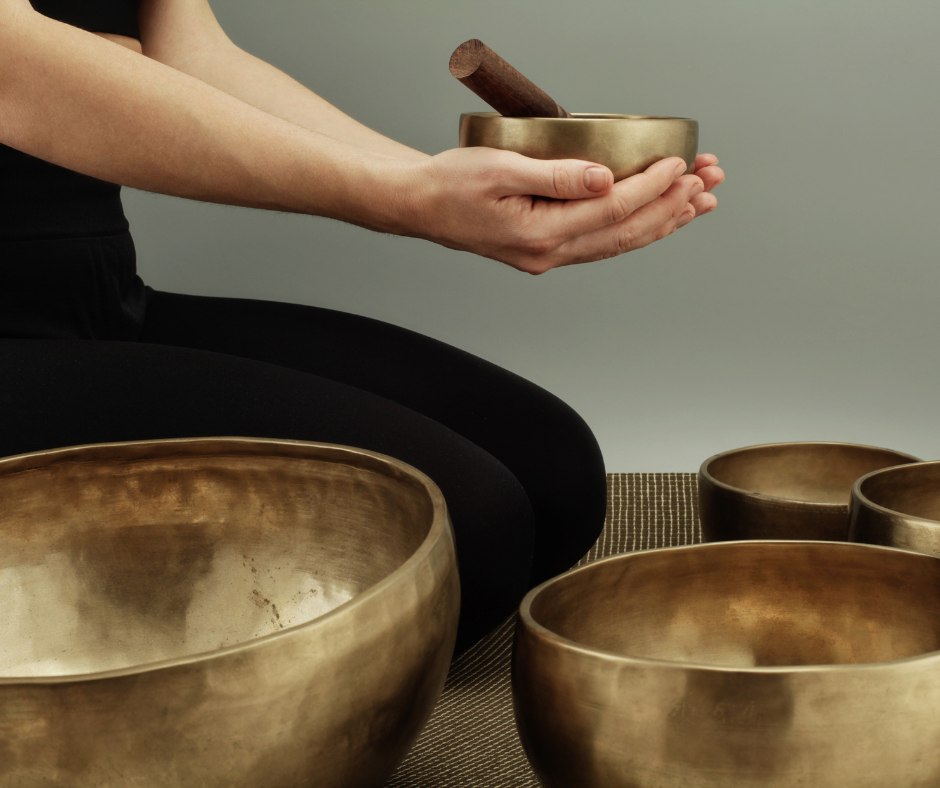
- Singing Bowls- known for their rich, resonant tones that promote relaxation and meditation. Browse our collection of singing bowls here.
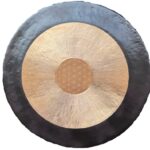
- Gongs- create immersive sound waves, often used in sound baths. Browse our collection of gongs here.
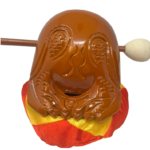
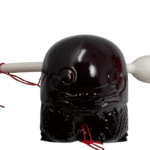
- Tingshas- light, clear tones that help shift attention and clear mental clutter. Browse our selection of Tingshas here.
- Drums- rhythmic sounds that ground our bodies, connecting us to the earth. Browse our selection of drums here.
Each instrument interacts with the body differently, but all share the same goal: supporting balance through vibration.
While no experience is required to get started on your personal sound healing journey, training can support you in becoming intentional with your healing and the healing of others. Explore the Atma Buti® Sound and Vibrational School calendar to find the training that best suits you.
Sound Healing and the Nervous System
One of the reasons sound healing is so impactful today is its ability to support an overworked nervous system. So many of us live in a constant state of stimulation- screens, notifications, responsibilities and stressors pulling our attention outward.
Sound healing creates a safe container for the body to rest. You don’t have to do anything; simply being still allows the nervous system to downshift, often more quickly than through talk-based approaches.
In a world that values speed, productivity, and constant output, sound healing offers permission to slow down. It reconnects us to rhythm, breath, and presence, which are some of the simplest medicines we can offer ourselves.