Singing Bowl Meditation: Using Sound to Cultivate Presence, Stillness, and Inner Calm
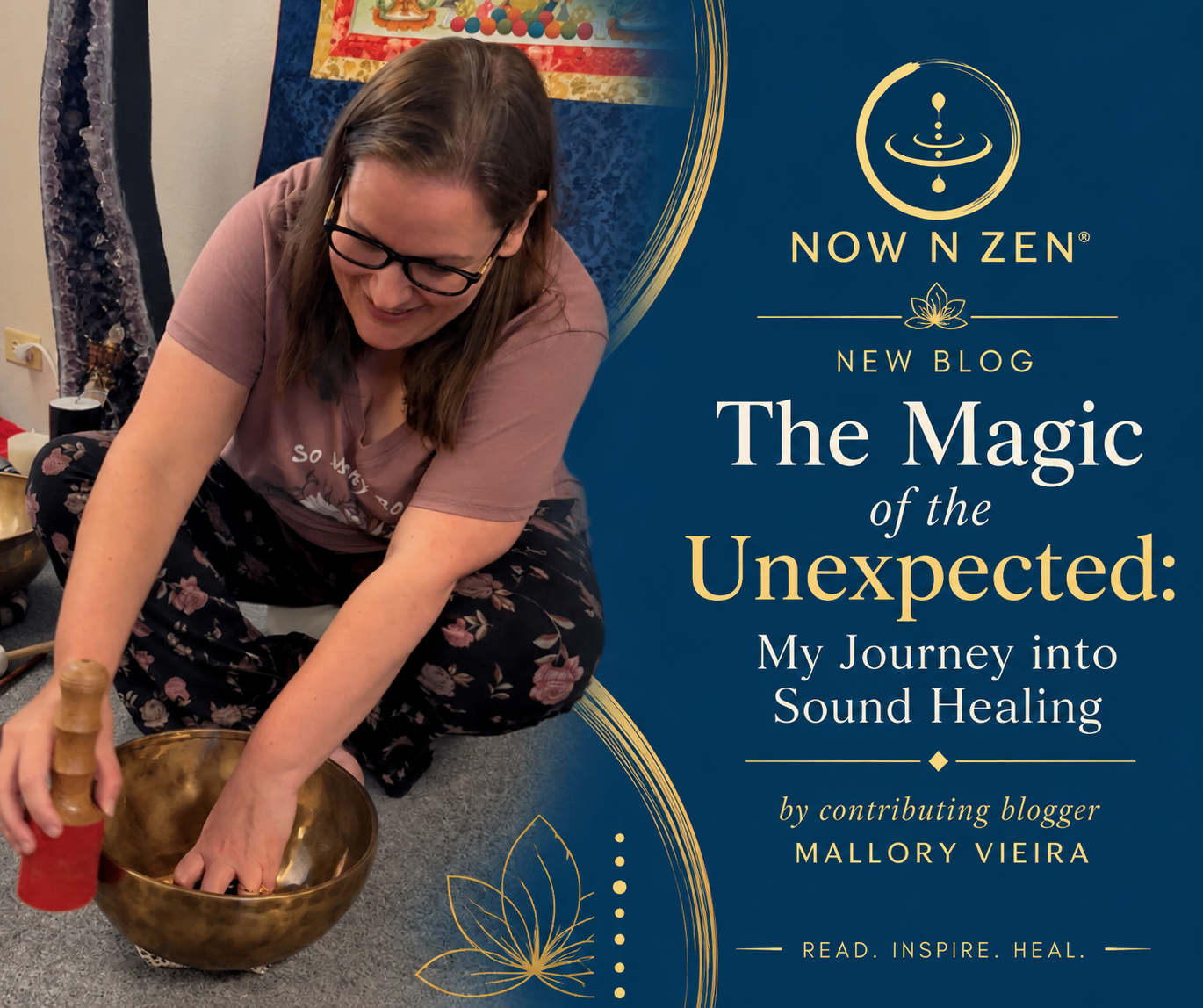
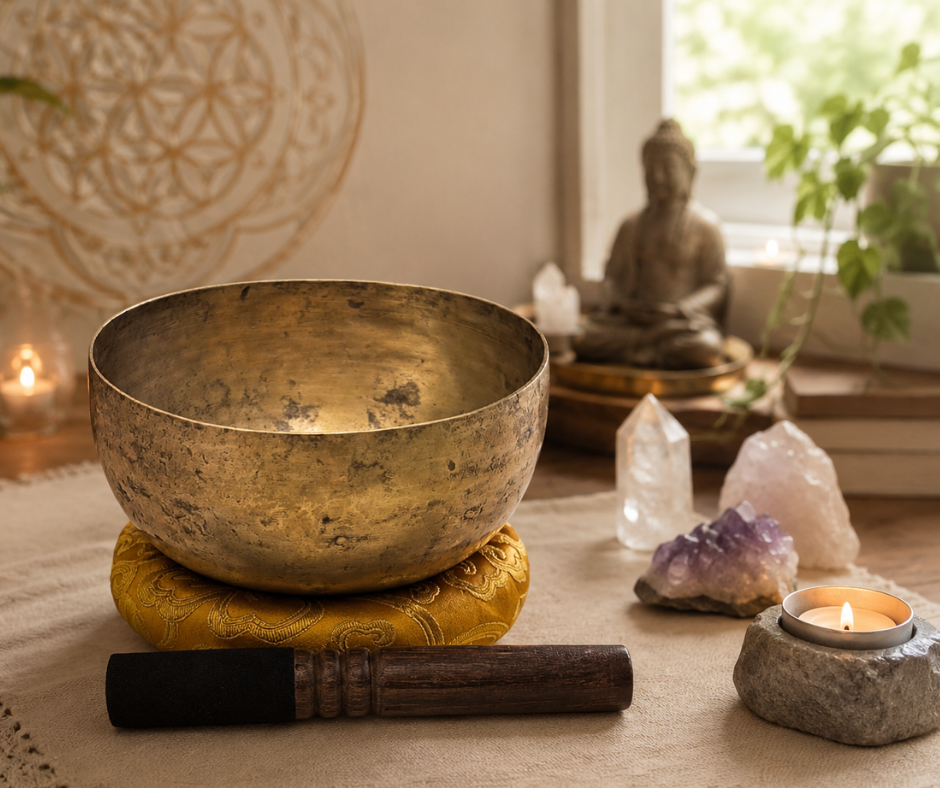
Sound bowls can be used for meditation in a very simple yet profound way. We use sound bowls for meditation by simply being with the bowl and the vibration it provides. An important concept to feel into is allowing the bowl to introduce you to silence through keeping attention on subtle vibrations. By allowing the bowl to resonate to completion, or at least until you are no longer able to detect sound or feel vibration, you are attuning your attention and awareness not only to the subtleties of the bowl, but to the quality of subtle vibration itself, eventually leading into silence.
When I have practiced this, I find it easy to get lost in the quietness of the vibration ringing out and forget that I am even making an effort to detect anything at all. The mind naturally softens into listening. Instead of chasing thoughts or trying to force stillness, the bowl gives the mind something gentle to rest on. The fading tone becomes like a bridge between movement and stillness, between sound and silence.
Simple Singing Bowl Meditation Practices
One of the simplest ways to begin practicing with a singing bowl is to gently strike the bowl once at the beginning of your meditation and allow yourself to follow the sound all the way to the end. Notice the first strong tone, the softer harmonics underneath it, and the moment where the sound dissolves into silence. Then sit quietly for a few breaths before sounding the bowl again. Even just five or ten minutes of this can create a noticeable shift in the nervous system and help bring scattered attention back into the body.
Some people enjoy pairing the bowl with breath awareness. You might gently ring the bowl and inhale deeply while the tone rises, then exhale slowly as the sound fades away. Over time, the breath and vibration begin to feel connected, almost like the bowl is breathing with you. This can be especially supportive during stressful moments or after long days filled with overstimulation and mental fatigue.
Others use singing bowls as a way to transition into meditation when the mind feels especially busy. Before sitting in silence, try circling the mallet around the rim of the bowl for a minute or two, creating a continuous tone. Allow your attention to rest completely on the sound and vibration. Feel where the resonance lands in your body. Some people notice it in the chest, others in the stomach, hands, or even the face. This practice can make it easier to settle into stillness because the mind has already been given something calming and rhythmic to focus on.
Singing Bowl Meditation for Stress and Overstimulation
We come from a world of movement and chaos, often not knowing how to control our minds or relate to the constant barrage of thoughts. Most of us move through our days overstimulated, distracted, and pulled in many different directions at once. The bowl creates an opportunity to slow down and reconnect with a quieter layer of awareness that is usually buried underneath all of that noise.
The sound bowl is a perfect focus point for a meditation between stillness and chaos. The vibration almost acts like an anchor for awareness. As the tone begins to fade, we naturally become more attentive. We start listening deeper. Sometimes this deep listening reveals how restless the mind can be, but over time it can also reveal moments of spaciousness, calm, and presence that are always there beneath the surface.
Daily Meditation with a Singing Bowl
Another beautiful way to work with singing bowls is during moments of emotional overwhelm or transition. You might sit with the bowl in the morning before beginning your day, allowing a few intentional tones to create a sense of grounding before stepping into responsibilities and distractions. Or perhaps at night, after turning off the lights, you ring the bowl once and simply listen in the dark. There is something deeply comforting about ending the day by returning attention to a single sound and letting the body soften around it.
Some meditators also enjoy using the bowl as a mindfulness reminder throughout the day. A single tone before journaling, yoga, prayer, or even before meals can create a small pause that brings awareness back into the present moment. Over time, the sound itself begins to signal the body and mind that it is safe to slow down.
The Benefits of Singing Bowl Meditation
There is something deeply human about resonance. We do not just hear the bowl, we feel it. The vibrations move through the body and environment in a way that can create a sense of grounding and connection. Meditation with singing bowls does not have to be complicated. You do not need to force yourself into a certain state or silence every thought. Sometimes it is enough to sit, breathe, listen, and allow the sound to guide your attention back to the present moment again and again.
Over time, the practice becomes less about the bowl itself and more about the awareness the bowl points toward. The sound eventually disappears, but the silence that remains can feel alive, spacious, and deeply restorative.
– Author, Angelo Arnold